Bien Hoa Military Cemetery
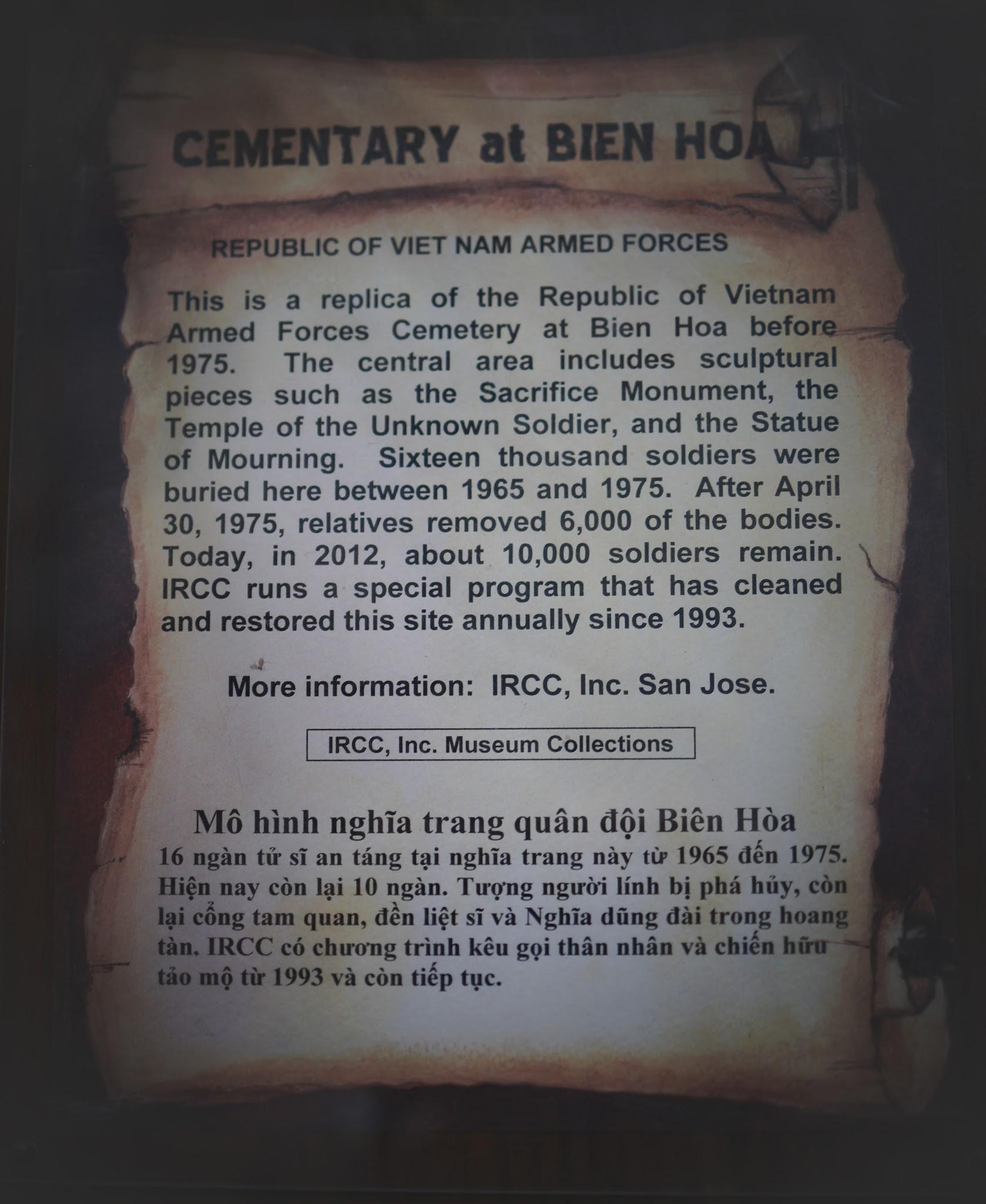
The need for memorialization is driven, in part, by the desecration of the Bien Hoa Military Cemetery in the aftermath of the Vietnam War. The Bien Hoa Military Cemetery, also known as the Nghĩa trang Quân Đội Biên Hòa and the Republic of Vietnam Armed Forces Cemetery, was the primary cemetery for veterans of the Republic of Vietnam. The cemetery was designed to host 30,000 graves and to serve as an equivalent to the Arlington National Cemetery. Between 1965 and 1975, approximately 16,000 soldiers were buried in either traditional Vietnamese-ground cement structures or mounds.
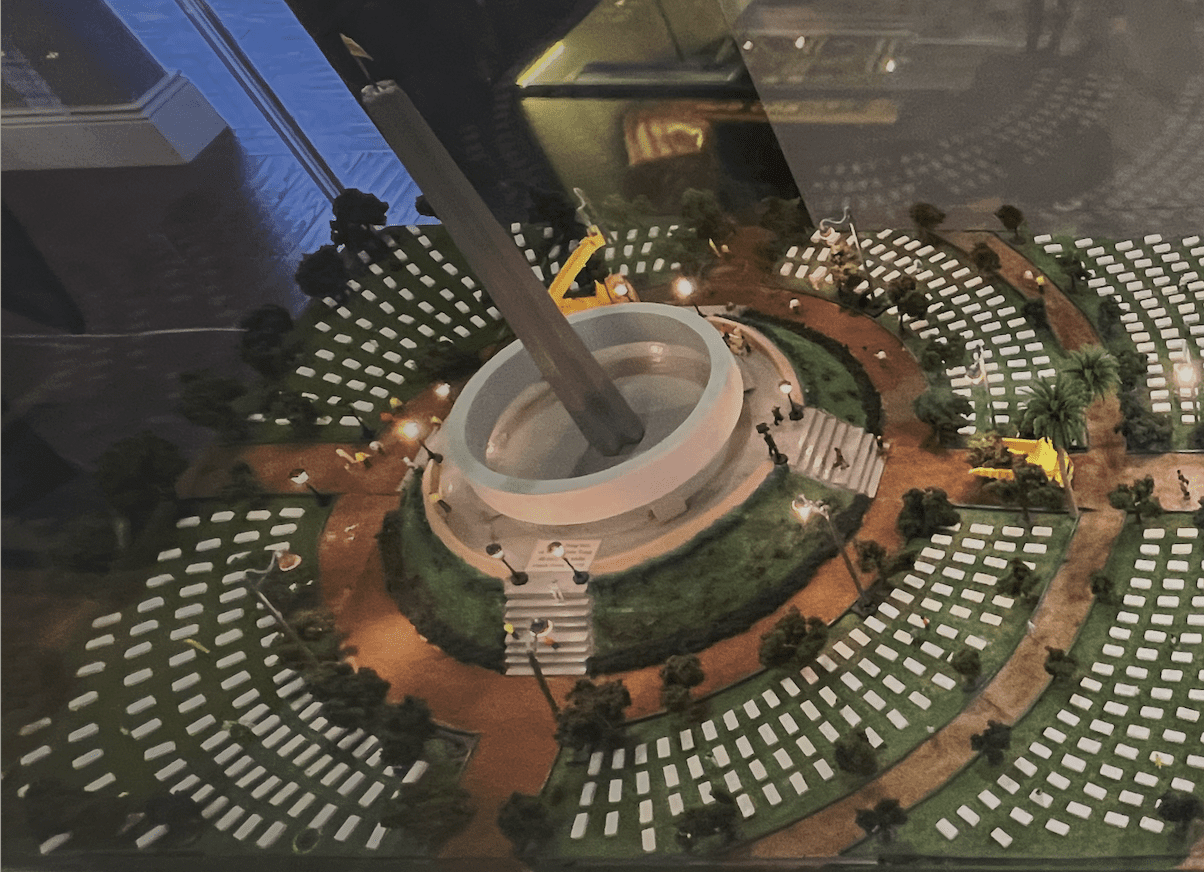
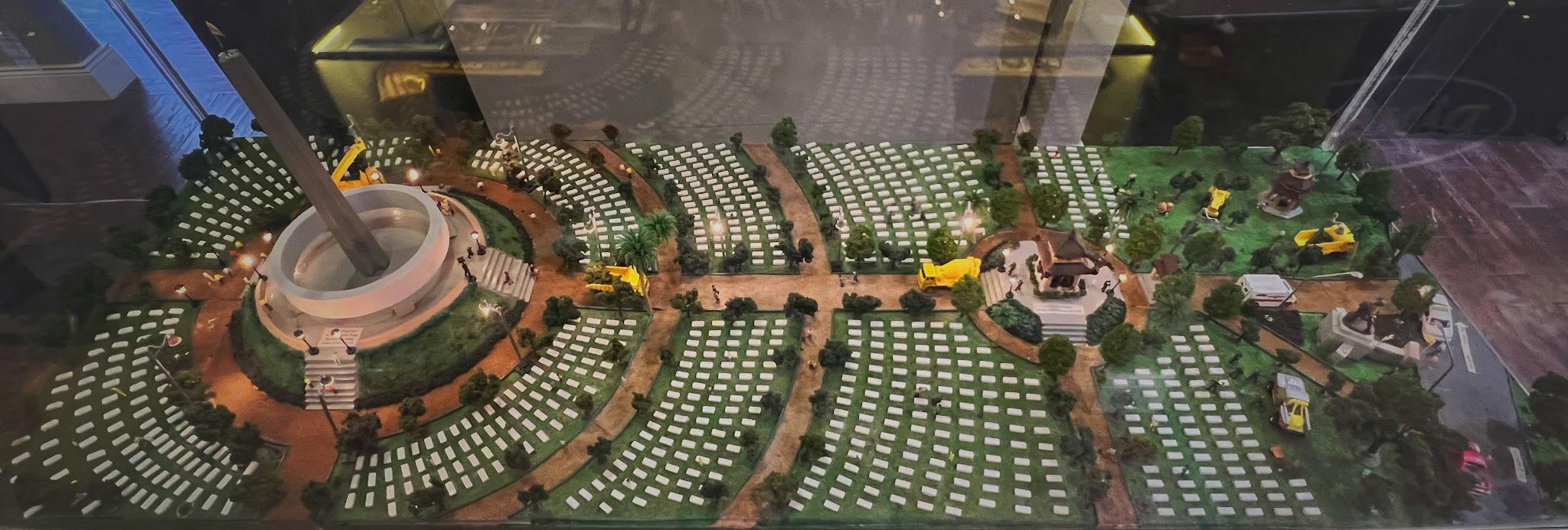
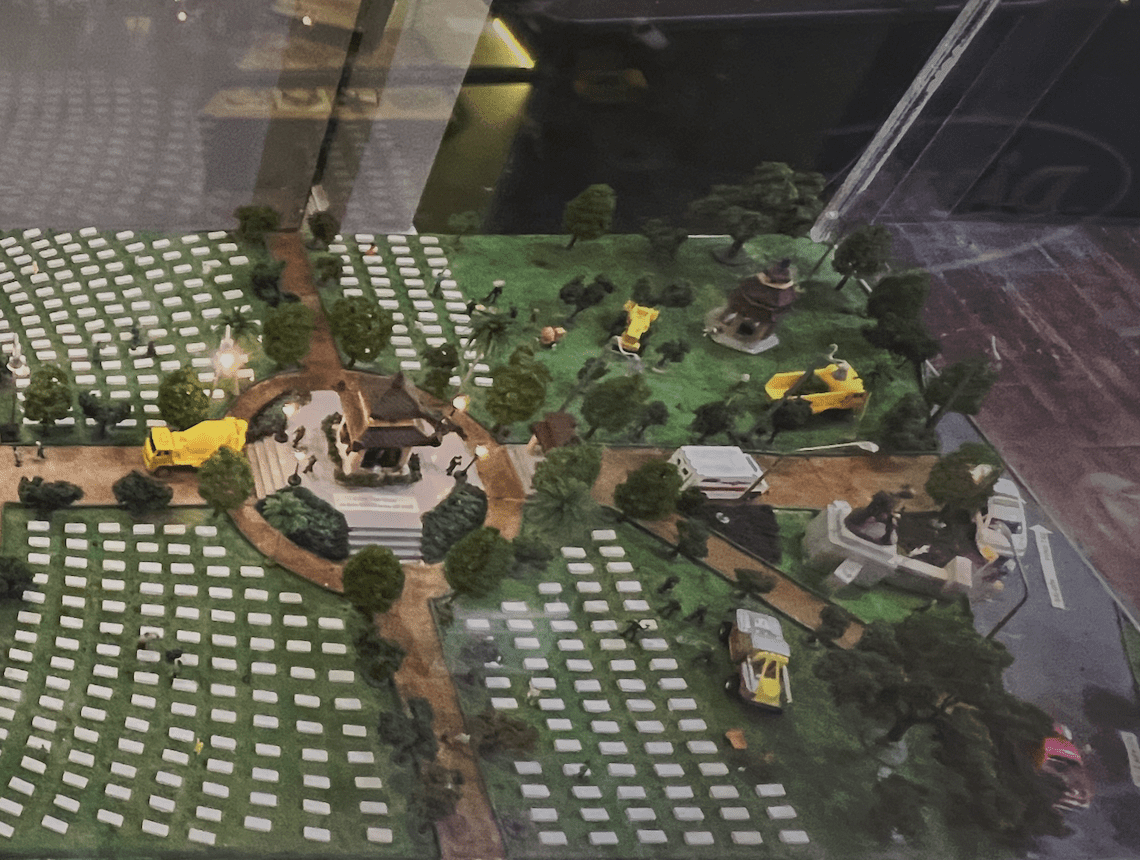
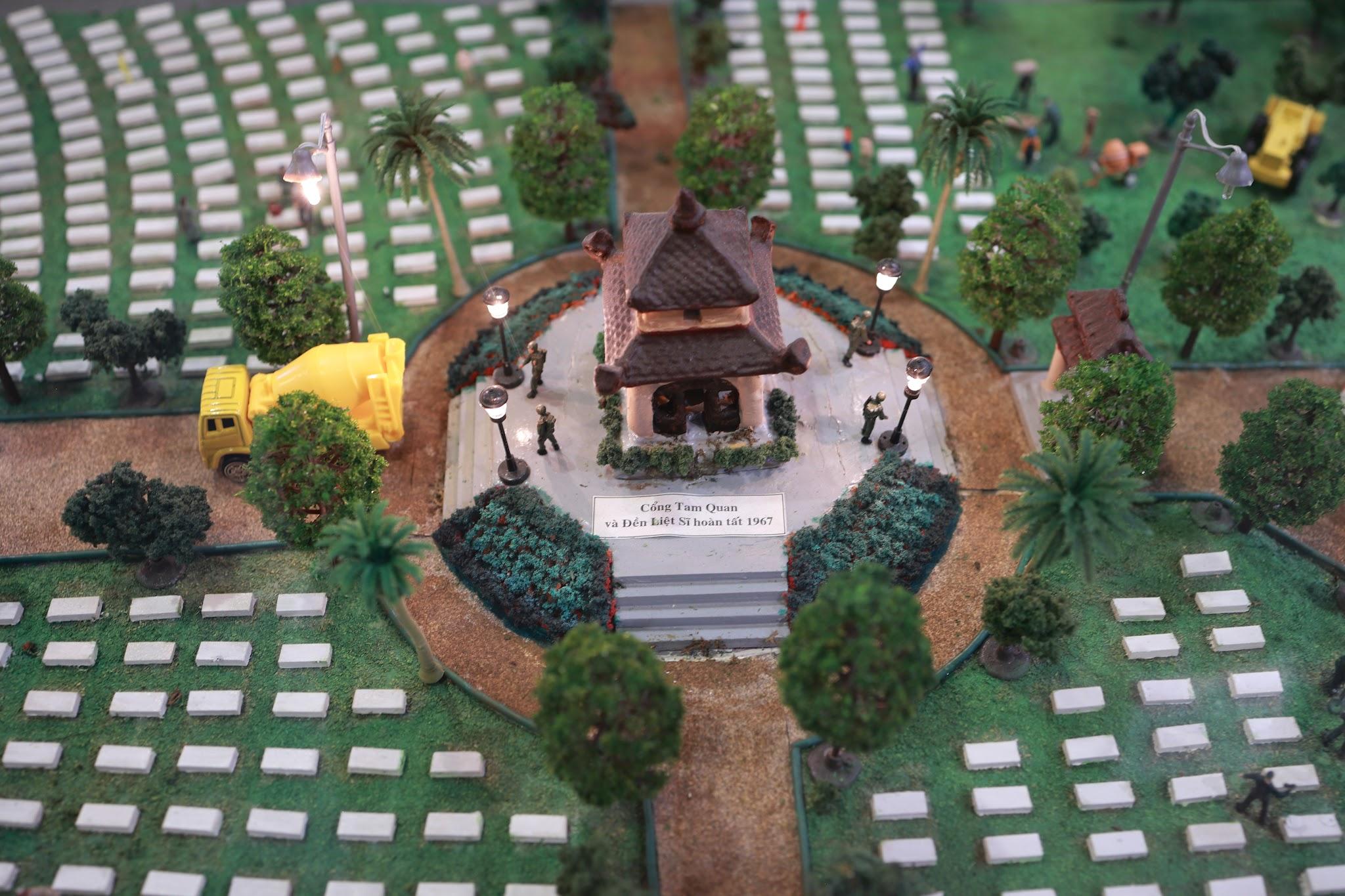
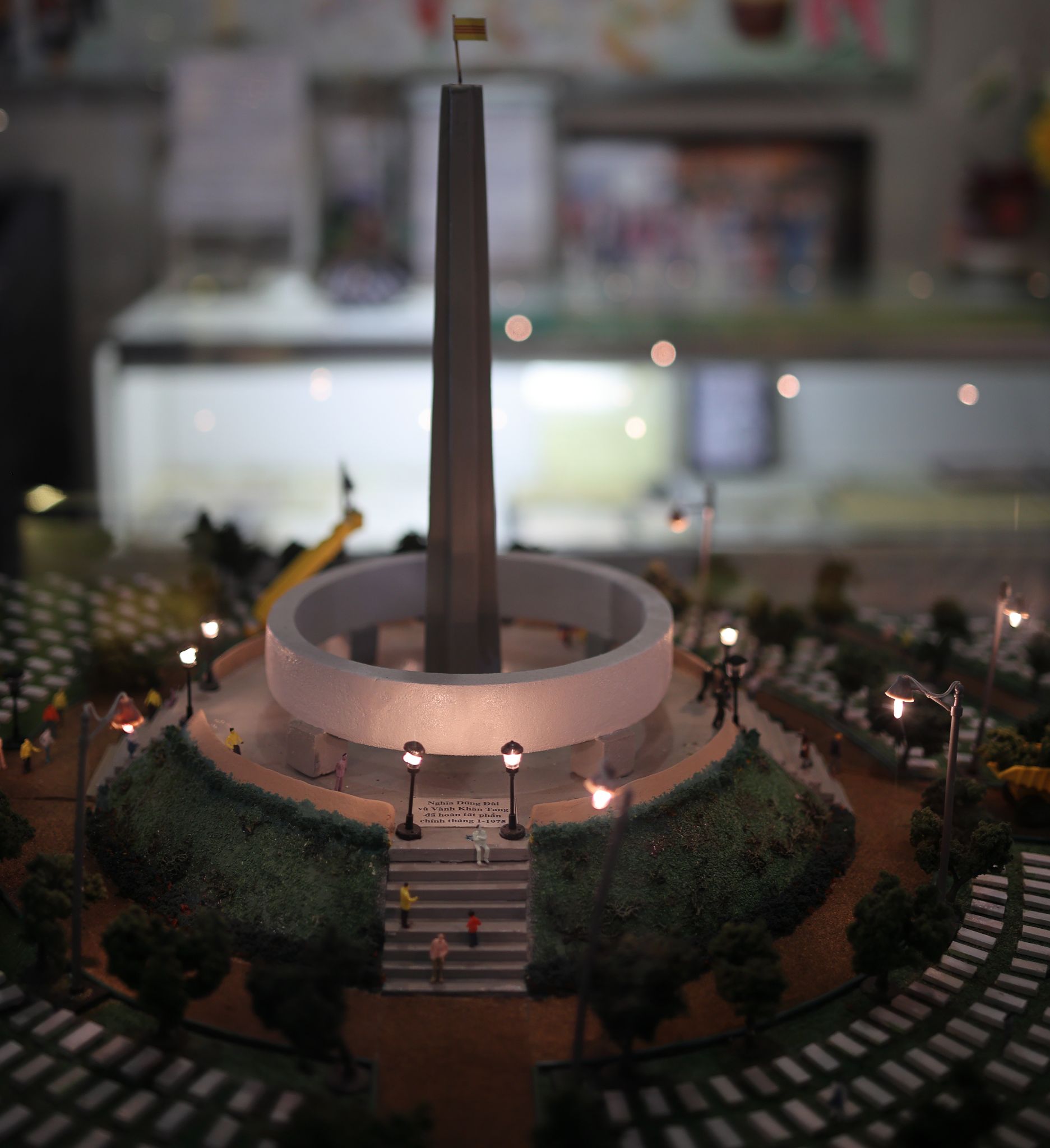
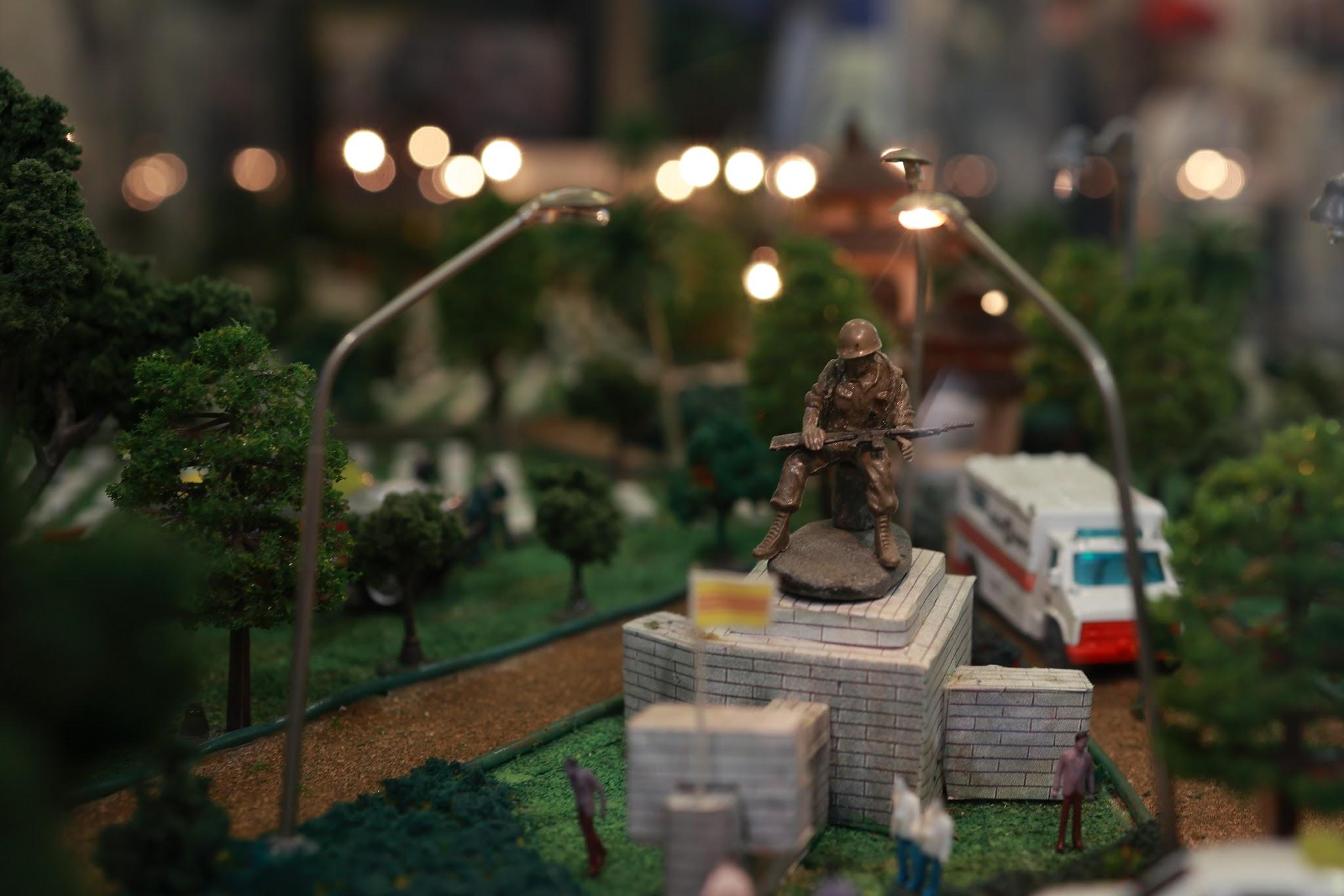
Bien Hoa Cemetery Reconstruction
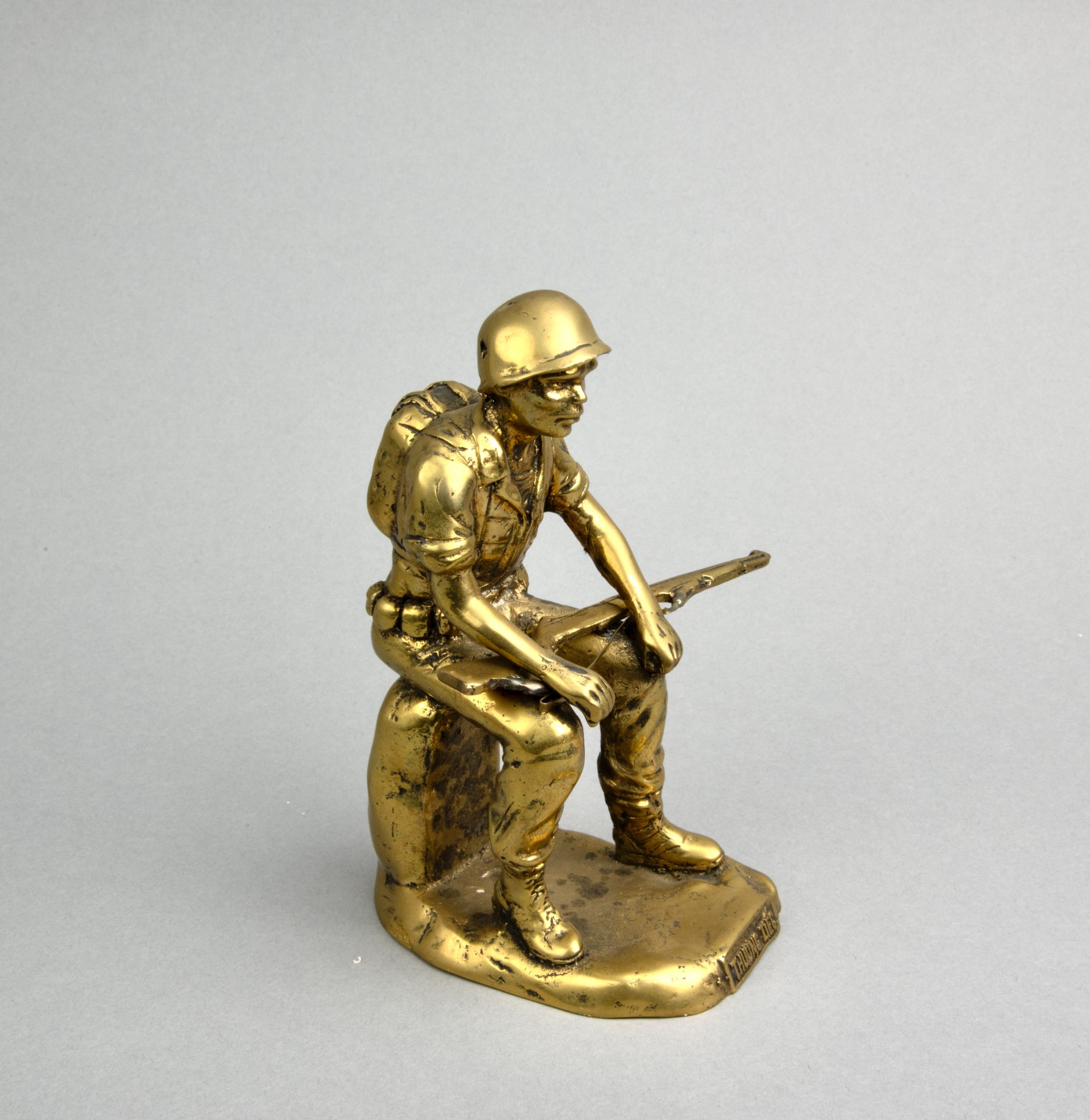
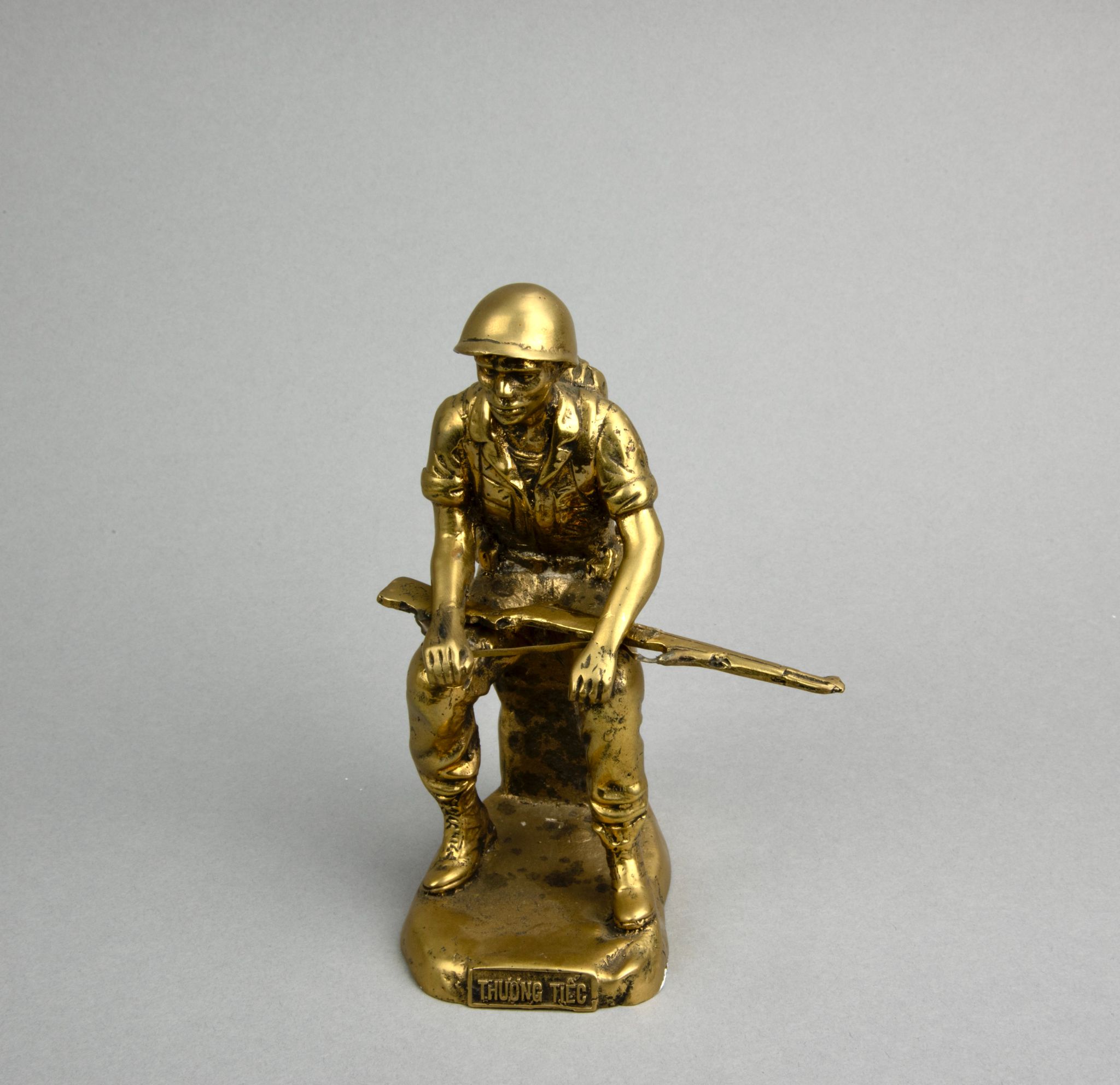
The Việt Museum houses a miniature replica of the Bien Hoa Military Cemetery prior to 1975. The Central area of the replica includes pieces such as the Sacrifice Mourning, and the Statue of Mourning. A small-scale replica of the Statue of Mourning, also known as Thuong Tiec, is featured in the exhibit. In the aftermath of the conflict, the Social Republic of Vietnam criminalized and targeted materials honoring the Republic of Vietnam. In the decades that followed, relatives removed 6,000 of those buried. The cemetery was closed off to the general population while many of the graves were razed, defaced, destroyed, and abandoned without maintenance.
Thuong Tiec
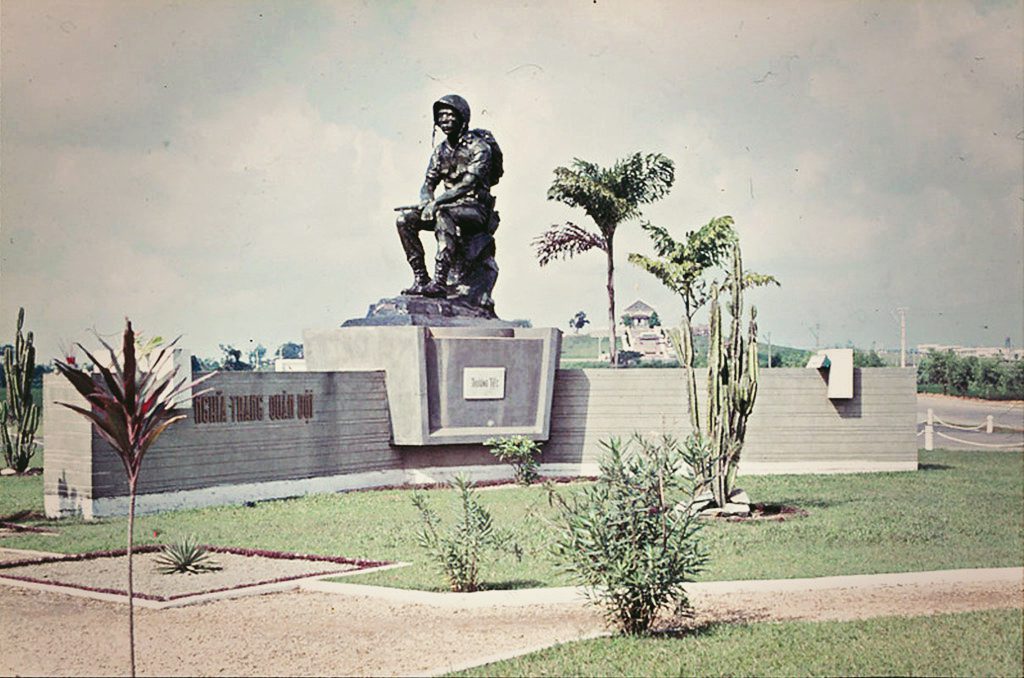
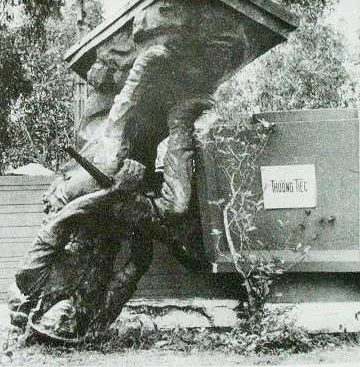
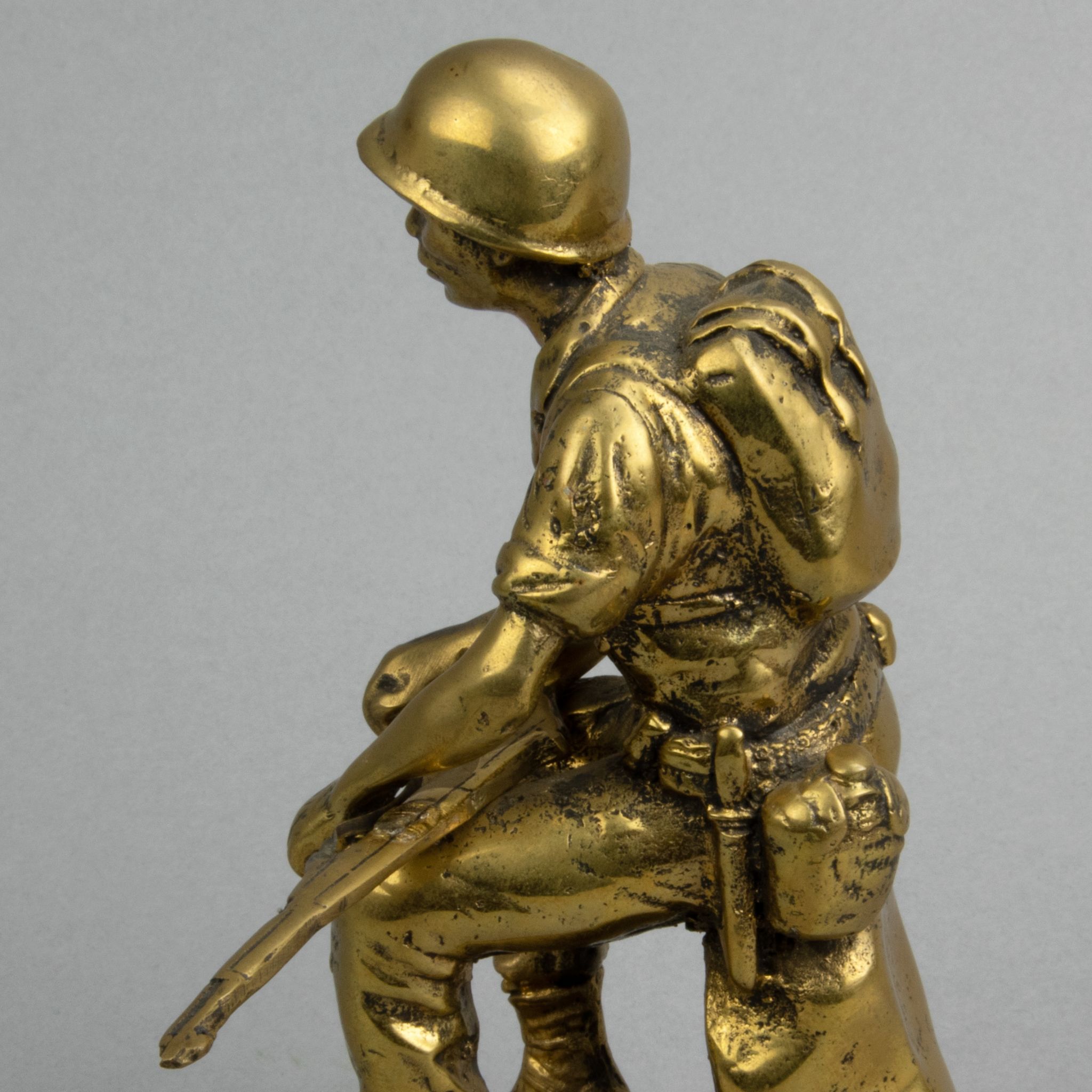
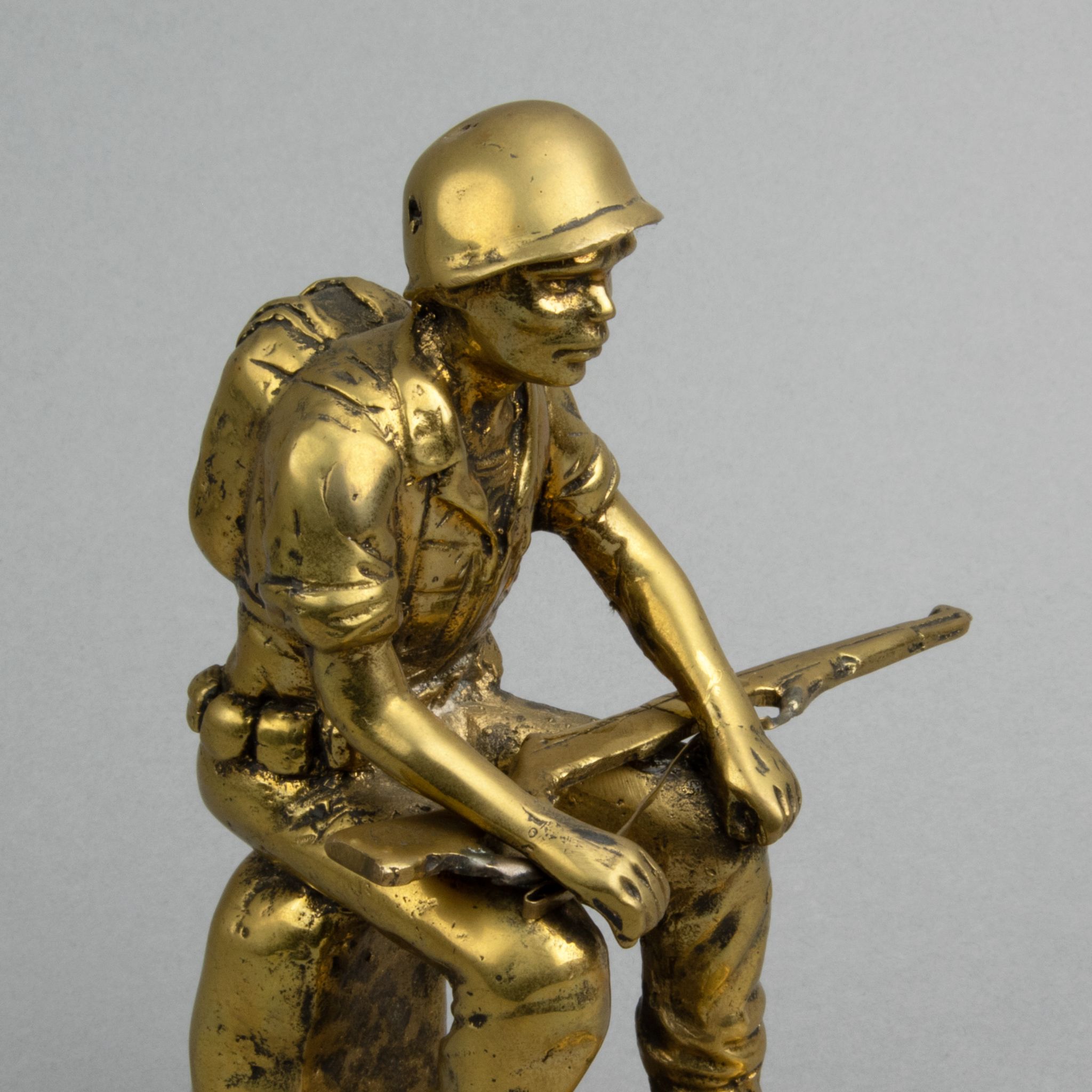
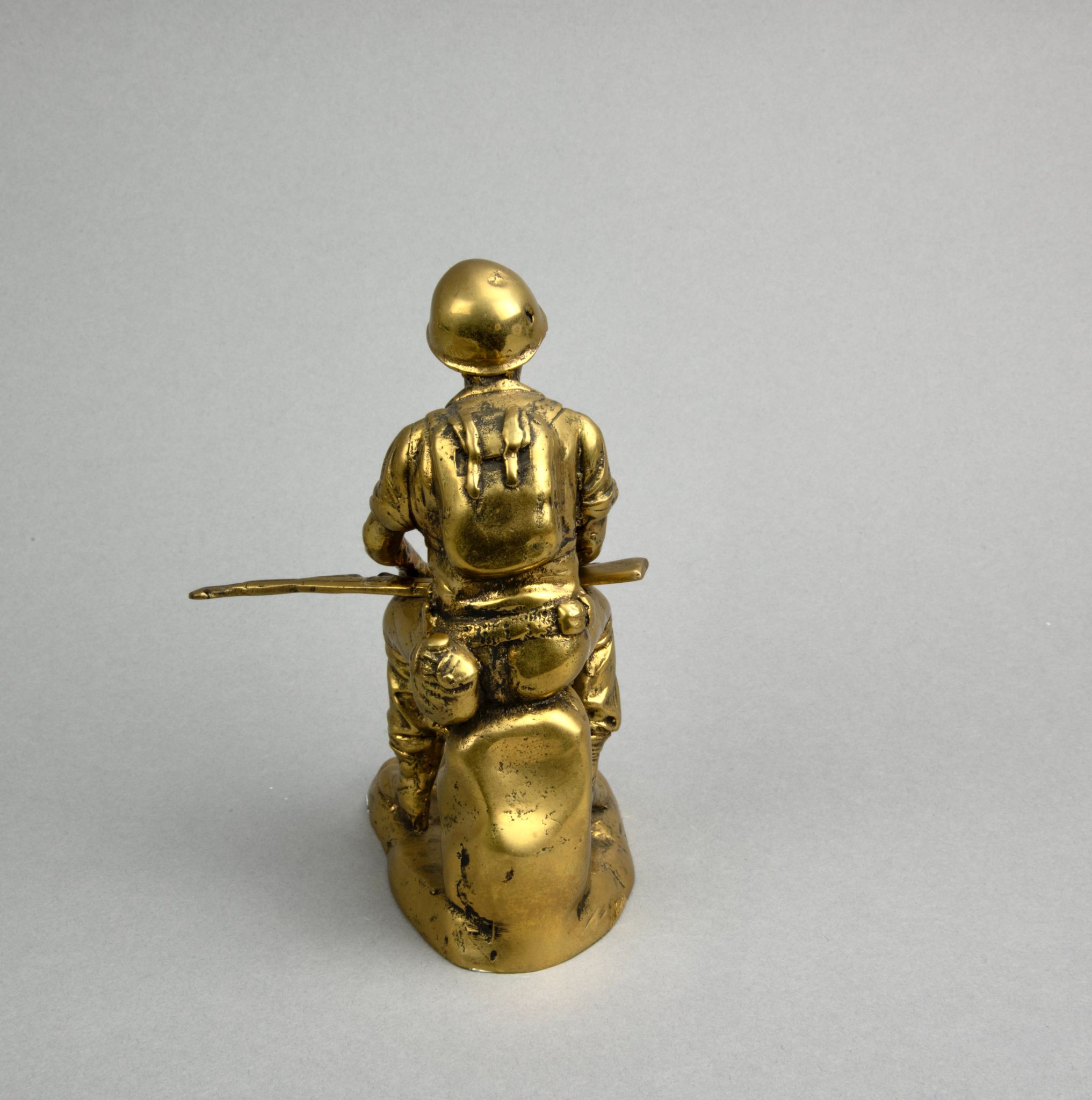
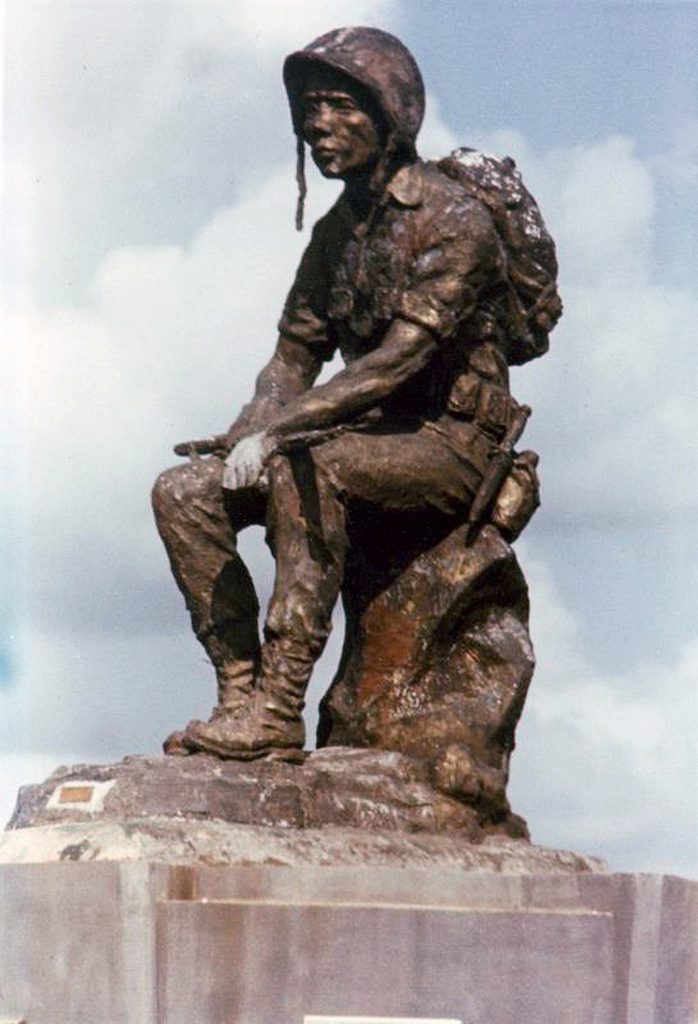
The Thuong Tiec statue, a reproduction of which is featured, shows a grieving ARVN soldier. The statue was created to honor those who fought for the Republic of Vietnam. The original statue, which once was a central memorial of the Bien Hoa Military Cemetery, was destroyed by the forces of the Socialist Republic of Vietnam in 1975.
Slide 2 Thuong Tiec Statue in 1968.
Slide 3 Thuong Tiec was destroyed in 1975.
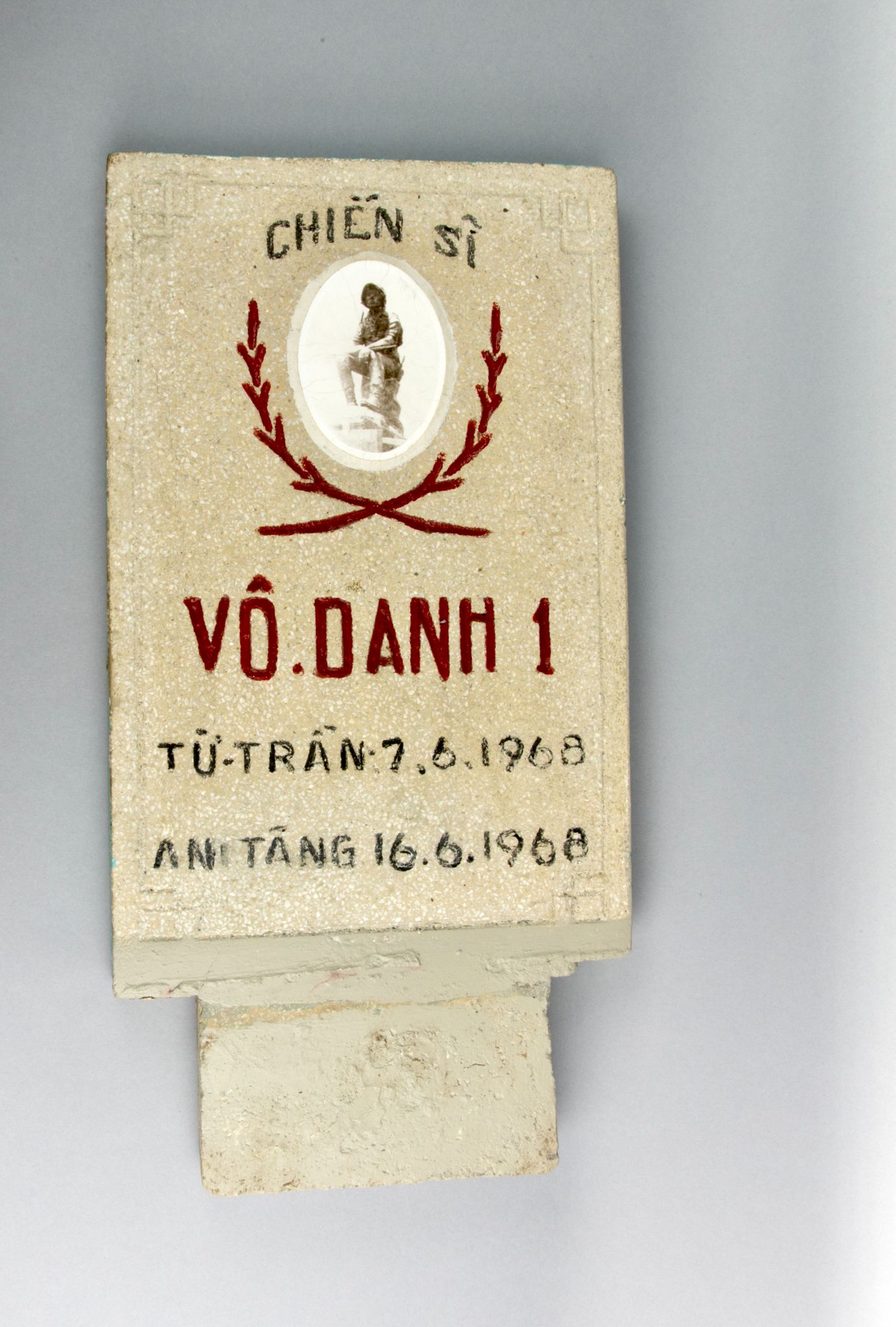
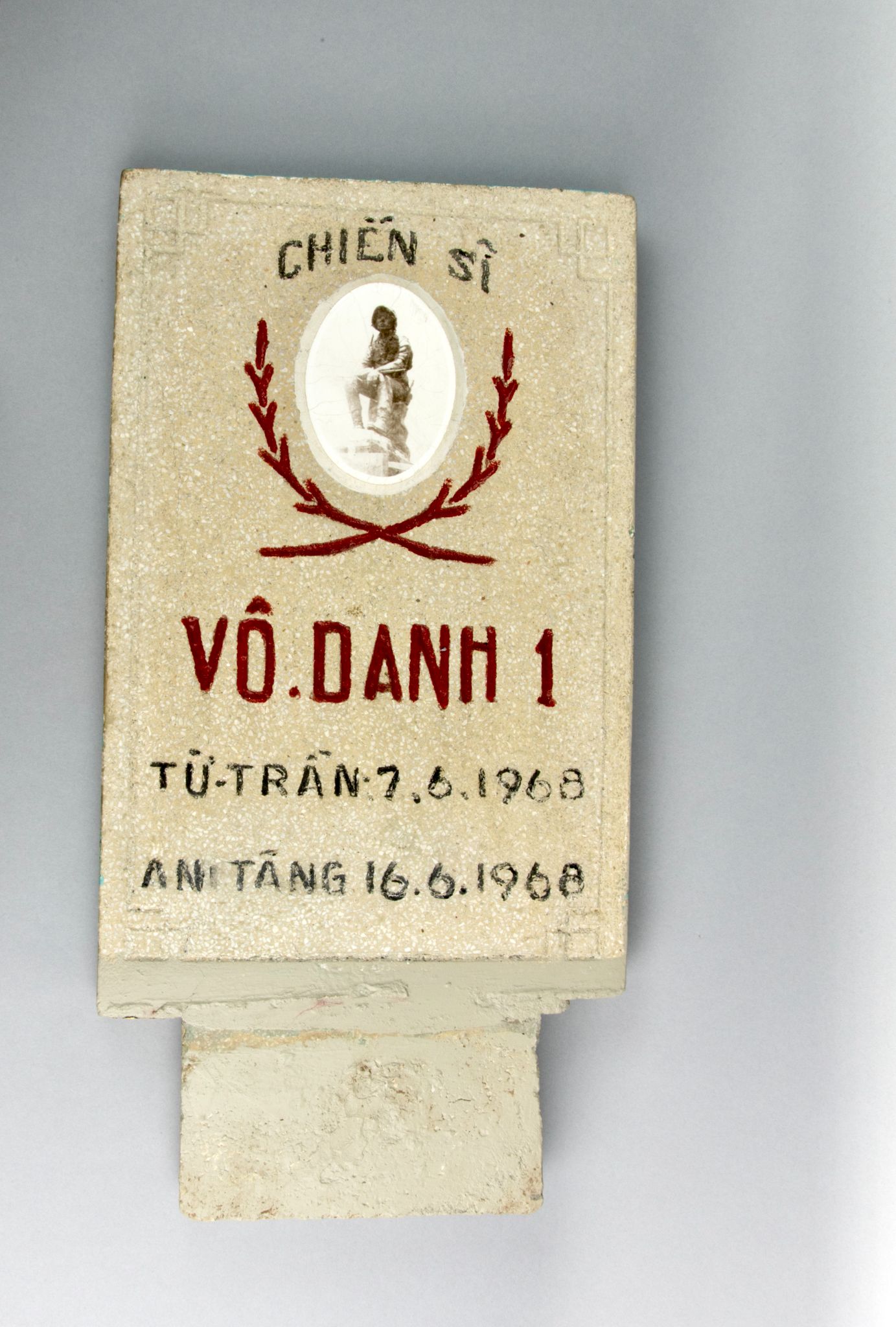
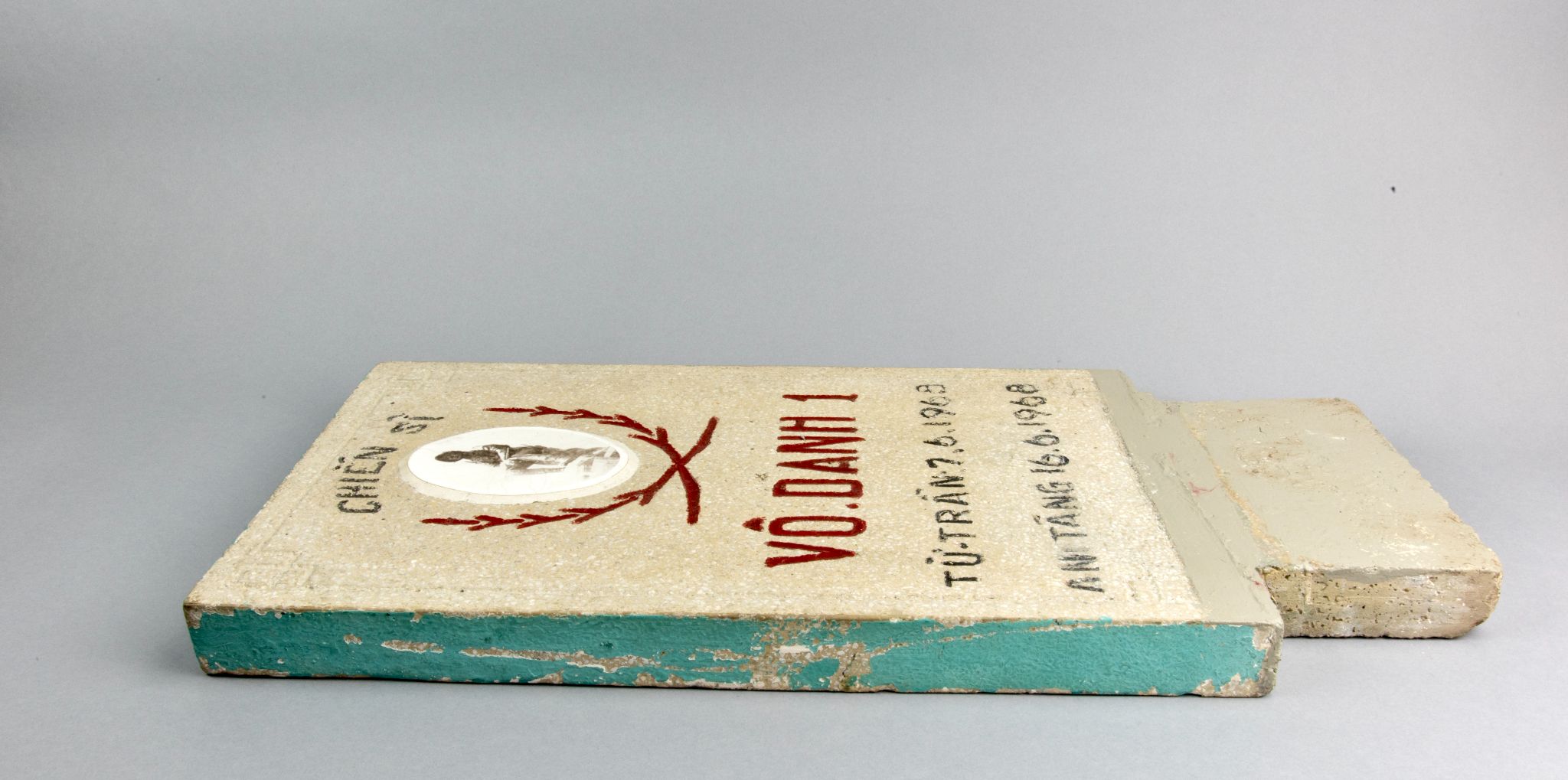
Tombstone of the Nameless Soldier
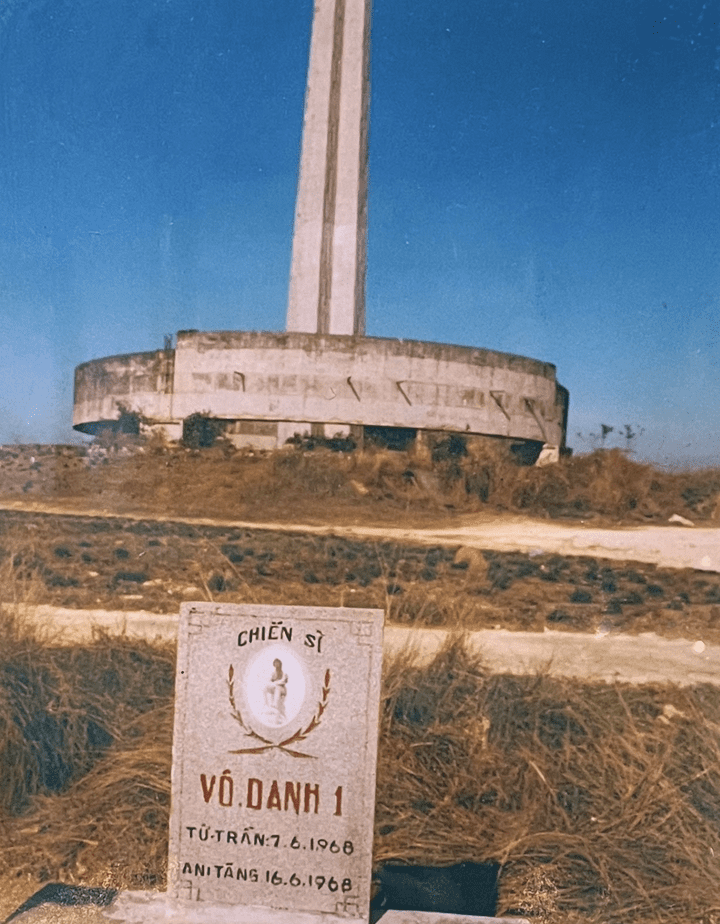
The tombstone featured is that of the first unknown (vô danh 1) soldier (chiến sĩ) to be buried at Bien Hoa Cemetery. The soldier died (từ trần) June 7, 1968 and was buried (an táng) on June 16, 1968.
As refugees fled in the aftermath of the war, many sought ways to honor those who sacrificed themselves for the Republic of Vietnam. The tombstone featured was salvaged by a refugee who valued the historical significance of the first unknown soldier to be buried in the cemetery. Eventually, the tombstone was gifted to the museum by the refugee in order to maintain and honor the memory of the fallen soldier.
The tombstone embodies the necessity of remembrance and memorialization for those lost in the conflict.
Mourning Statue
Composite Resin and Bronze
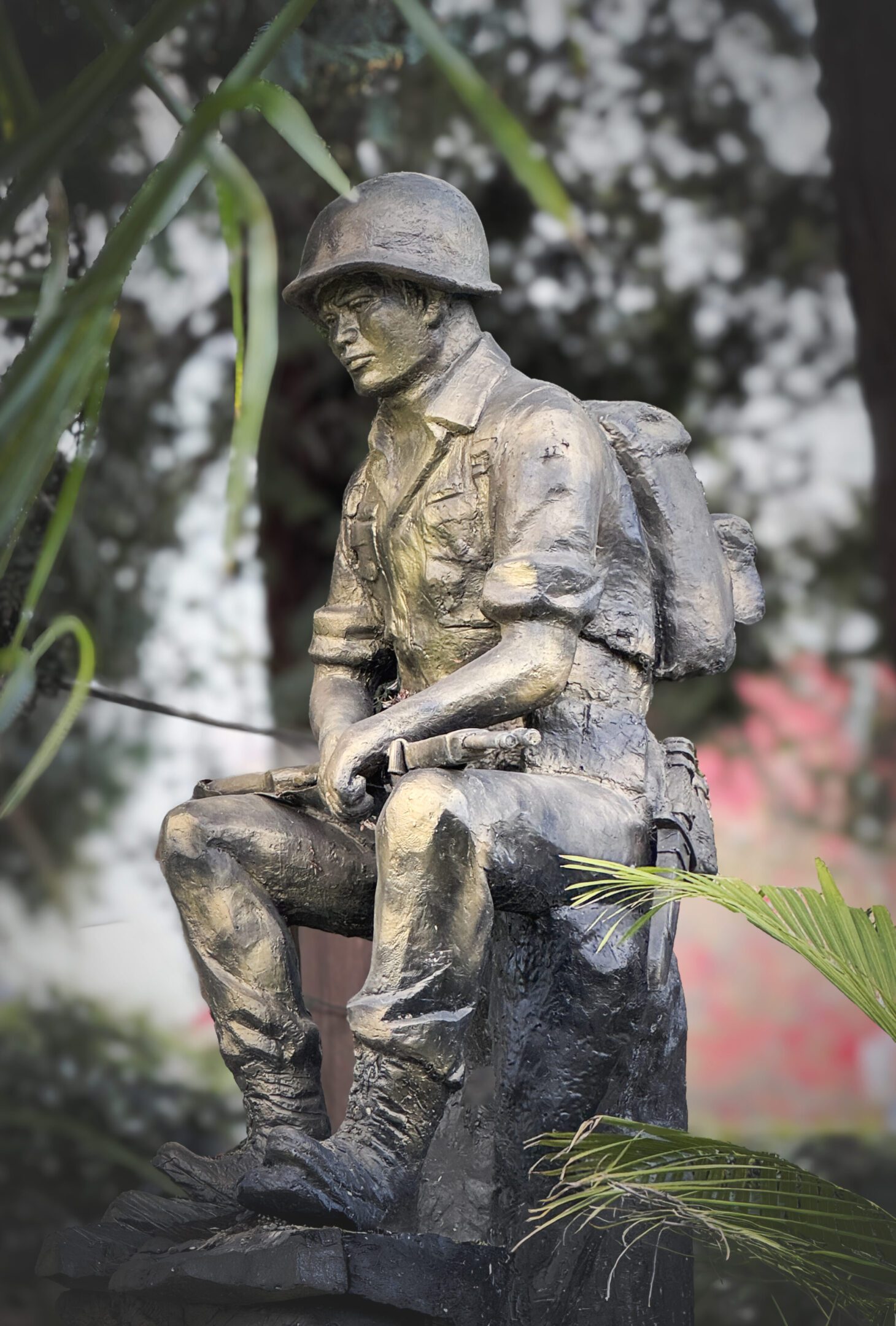
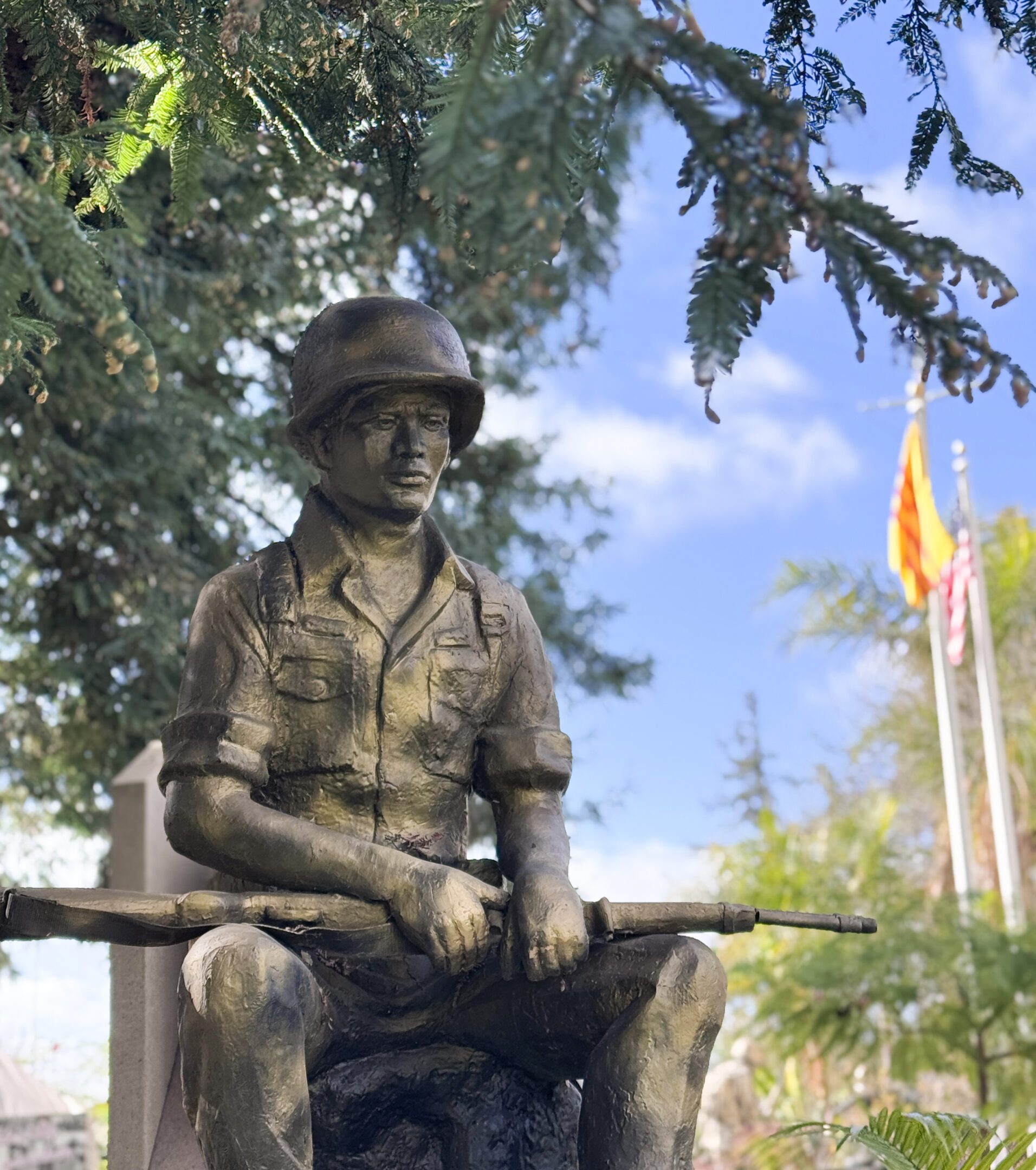
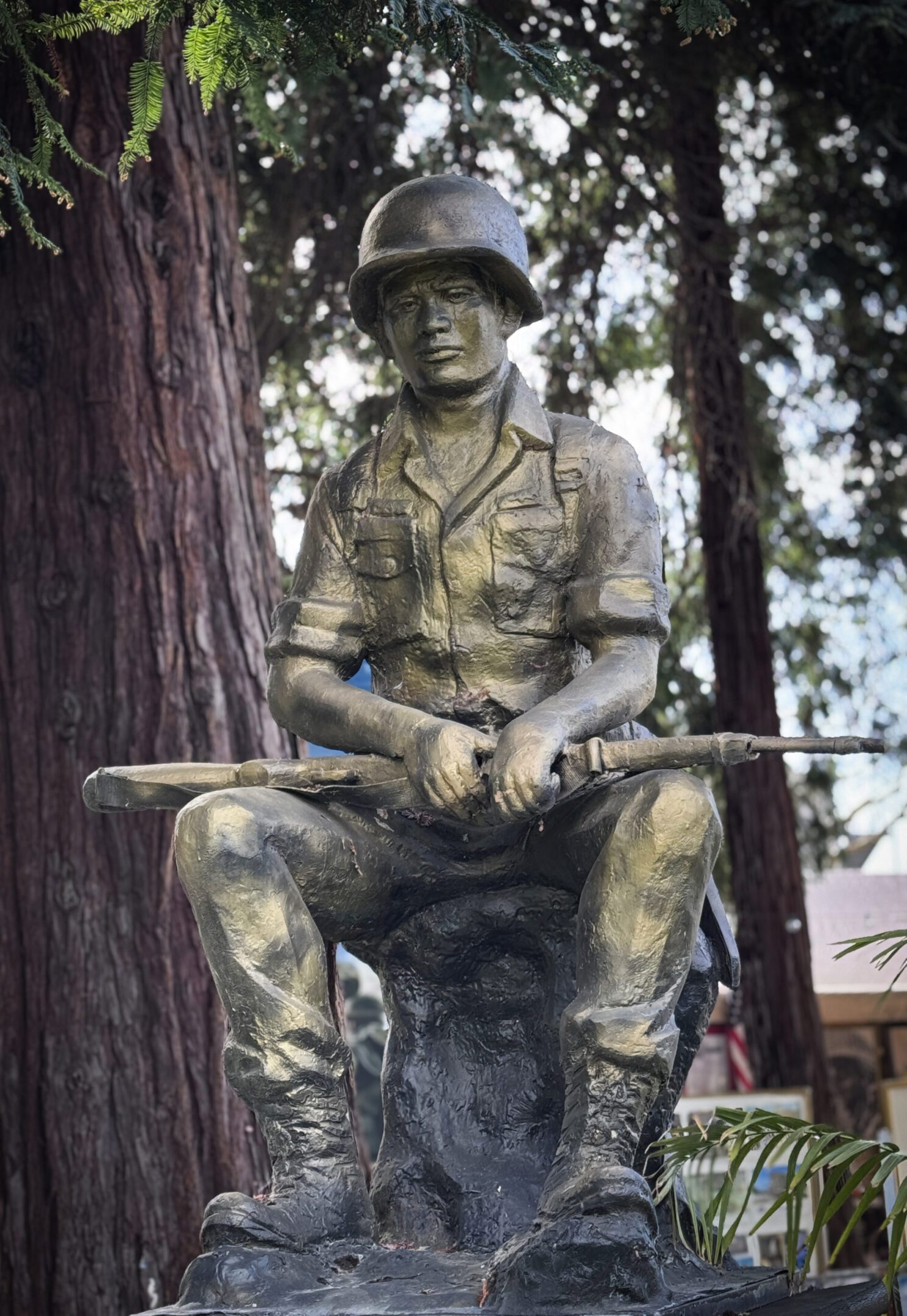
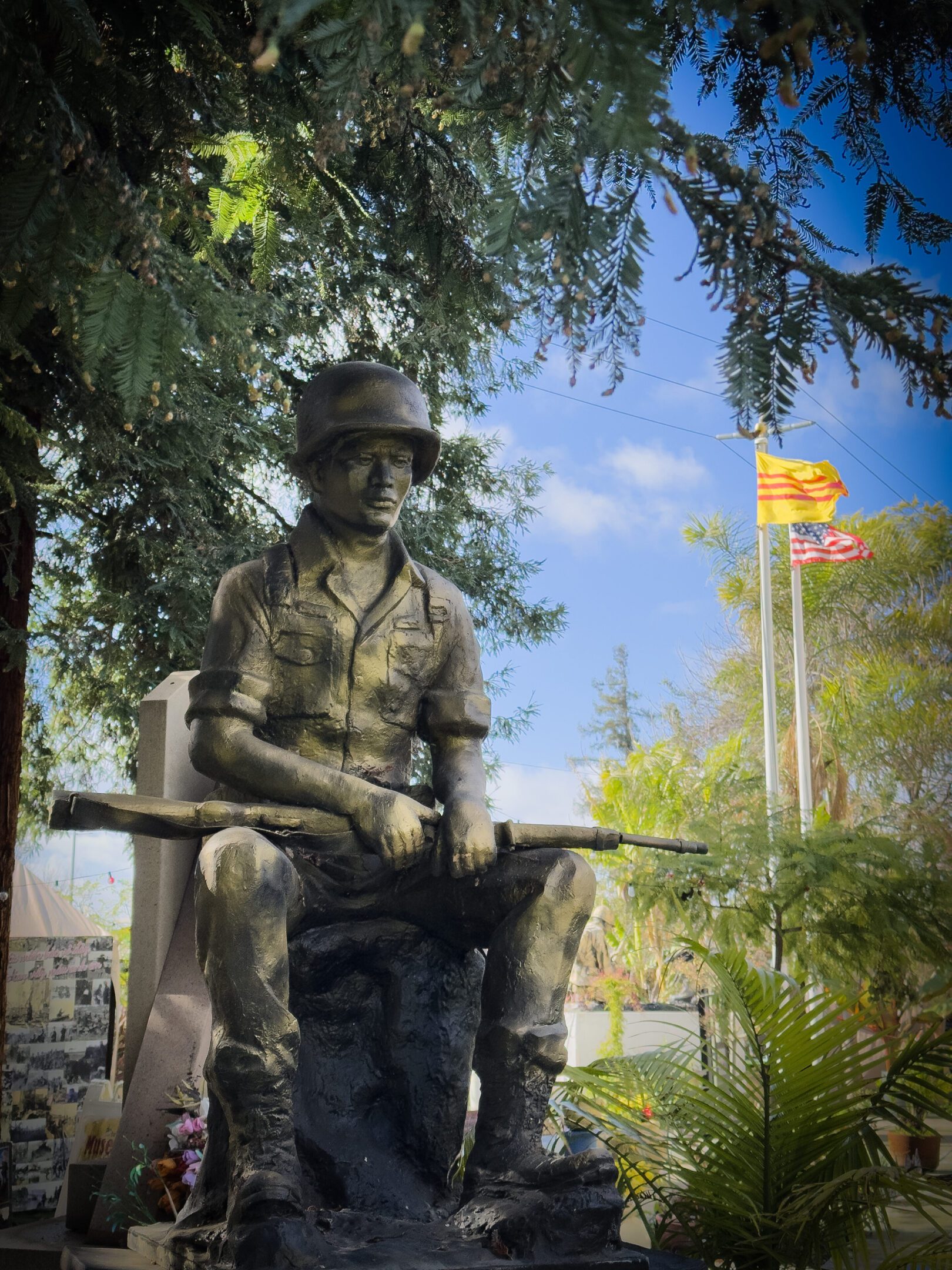
The Mourning Soldier Statue is one of the most recognized symbols of the Army of the Republic of Vietnam. Before 1975, it stood at the main entrance of the Biên Hòa Military Cemetery (now Bình Dương Cemetery), honoring those who had fallen in service.
The original sculpture was created by Architect and Sculptor Captain Nguyễn Thanh Thu.
This statue portrays a soldier seated in quiet reflection, holding an M1 Garand rifle across his lap. He carries a backpack, a canteen, and a field knife—details that reflect the reality of a soldier in wartime. His solemn expression conveys grief and loss, as if mourning a fallen comrade.
More than a representation of an individual soldier, the statue embodies the collective sorrow, sacrifice, and dignity of those who served and those who were lost.
The statue currently on display is a replica of the original work.
This replica was commissioned in 2021 and generously donated to the Viet Museum by former servicewoman Nguyễn Thị Đào in October 11, 2022.